
How to Organize Your Golf Bag Like a Pro
Posted by Danny on Dec 30th 2025
Picture this: you're standing on the fairway with a wedge shot to set up your first birdie of the day. You dig around in your bag like you're looking for lost car keys and your playing partners start tapping their feet. That frantic search is the opposite of what tour pros and caddies do. Pros don't waste mental energy rummaging through clutter; they know exactly where everything sits because their bags are organized. A tidy bag isn't just about looking sharp. It saves time, protects your gear and helps you keep your head clear when it counts.
This guide borrows tricks from professionals and experienced caddies to help you set up your bag efficiently. We'll go through bag types, club arrangement, pocket usage, weight balance, personalization and maintenance. By the end you'll have a system that makes your gear easy to find and your round more enjoyable.
Table of Contents
Choose the Right Bag for Your Game
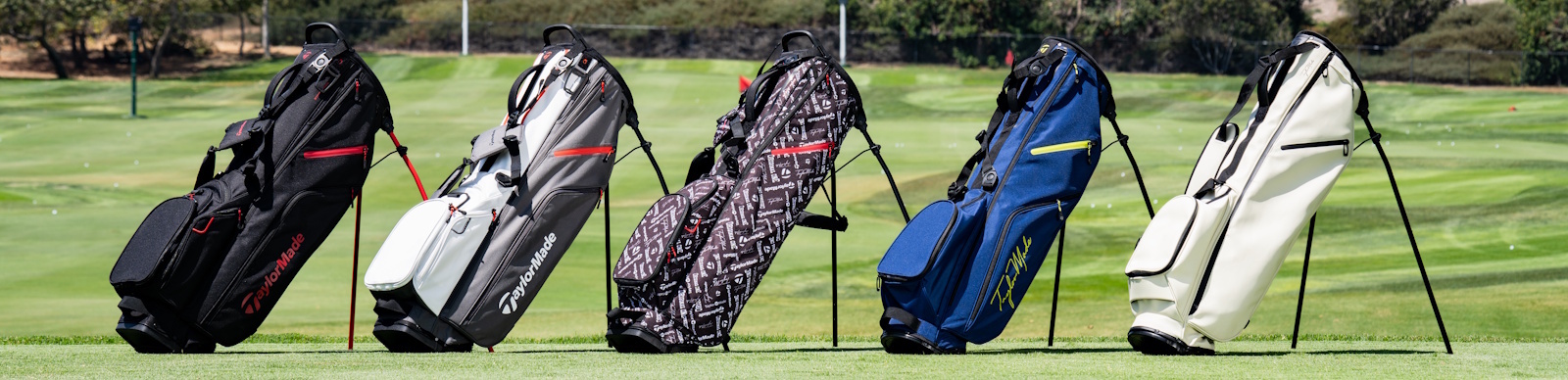
Choosing the right bag is the foundation of learning how to organize a golf bag like a pro. The first step to organizing like a pro is to pick a bag that fits how you play. Different styles offer different storage features:
-
Stand/carry bags – Lightweight with retractable legs, ideal for walkers who value portability. Most have four or five dividers and a few pockets. They don't weigh much but require careful weight distribution so they don't fall over on slopes.
-
Cart bags – Larger and heavier, designed to ride on a cart or a push‑cart. They often have 14 individual club compartments and lots of pockets. The extra room makes it easy to pack everything you might need for a long day, such as rain gear or a first‑aid kit.
-
Tour/staff bags – The massive bags you see on television with caddies hauling them around. They're 8–10 pounds empty, built for pros who don't have to carry them, and offer the most dividers and pockets.
-
Half‑sets and Sunday bags – Minimalist options for practice rounds or nine holes. They usually have three to six dividers and limited pockets, so you'll need to pare down your gear.
Choose a bag that matches whether you walk, ride or travel. Once you know your bag type, you can tailor your organization strategy.
Arrange Your Clubs Strategically
Pros and caddies aren't guessing when they pull a club – they arrange everything according to length and type so they can grab the right stick without looking. The general rule is simple: heavier, longer clubs go high and toward the back; shorter clubs go low and toward the front. Proper golf club arrangement ensures you can pull the right club instantly. Depending on how many dividers your bag has, here's how to do it:
Fourteen‑way Bags
-
Woods and driver – Put your driver and fairway woods in the top back slots. Woods are your most delicate clubs; they should be separated and protected with headcovers.
-
Hybrids and long irons – These go in the next row down, arranged from longest to shortest. Keep hybrids and 4–5 irons together.
-
Mid‑irons and pitching wedge – Place your 7‑, 8‑ and 9‑irons together. If your bag keeps your putter at the bottom, slot your pitching wedge here for balance.
-
Wedges and putter – Wedges (gap, sand and lob) live in the bottom front slots along with your putter if it doesn't have a special well. This keeps the weight low and makes them easy to grab around the greens.
4–6 Way Bags
In carry bags with fewer dividers, group clubs by category rather than individually. This setup makes it easier to organize your golf bag even with limited dividers:
-
Top section – Drivers, woods, hybrids and putter. Use headcovers to prevent dings.
-
Middle section – Long and mid‑irons in order from longest to shortest.
-
Bottom section – Remaining irons and wedges.
Grouping Clubs
If your bag uses fewer dividers, grouping is crucial. Group clubs by woods, long irons, mid‑irons, short irons and wedges so you can select the right club quickly. The key is consistency; always return a club to its group so you never have to hunt for it.
Use Dividers Wisely
Club dividers prevent grips from tangling and reduce wear on shafts. In bags where dividers don't reach the base, occasionally pull all the clubs out and untwist the grips. If you're using a bag with fewer dividers, consider adding aftermarket tubes to create separation.

Set Up Your Pockets
Golf bags have specialized pockets designed to hold specific items. Resist the urge to stuff everything into one catch‑all pouch – a little planning keeps things tidy and makes gear easy to find.
-
Tees and markers – Keep tees separate from other accessories so they don't poke holes in gloves or catch on towels. Designate a small pocket just for tees.
-
Balls – Use the large ball pocket near the bottom. Carry nine or ten balls and clean out this pocket periodically. More than ten balls just adds unnecessary weight.
-
Gloves – A breathable side pocket or Velcro patch keeps gloves dry and accessible. Avoid storing gloves with tees – the points can scratch the leather.
-
Apparel – Use long side pockets for rain gear, jackets and an extra hat. The extra room in cart bags makes it easy to pack layers.
-
Valuables – Most modern bags have a lined, waterproof pocket for your phone, wallet and keys. Don't cram balls or heavy objects here – it's meant to protect fragile items.
-
Rangefinders and gadgets – Some bags have a hard‑shell or padded pocket for electronics. If yours doesn't, store gadgets in the valuables pocket.
-
Snacks and drinks – Many bags include insulated cooler pockets. Use them for water and snacks so condensation doesn't seep into other compartments. If your bag lacks an insulated pocket, stash a bottle in a side pocket but tighten the lid to prevent leaks.
-
Umbrella and accessories – Heavier items like umbrellas, rangefinders or first‑aid kits should go toward the base of the bag to keep weight low and balanced.
Balance Weight and Comfort
An organized bag is more than neatly arranged clubs; it's about how the weight is distributed. A poorly balanced bag can twist on your shoulder or tip over when you set it down. Balancing weight is just as important as knowing how to organize golf bag compartments efficiently. Here's how to keep things stable:
-
Keep the center of gravity low – Put heavy gear like rangefinders, ball pouches, umbrellas and extra water bottles near the base. This prevents the bag from tipping and reduces strain when you carry it.
-
Even out the sides – Don't load all accessories on one side pocket. Spread clothing and accessories evenly so the bag hangs straight on your shoulder. Your back will thank you on the back nine.
-
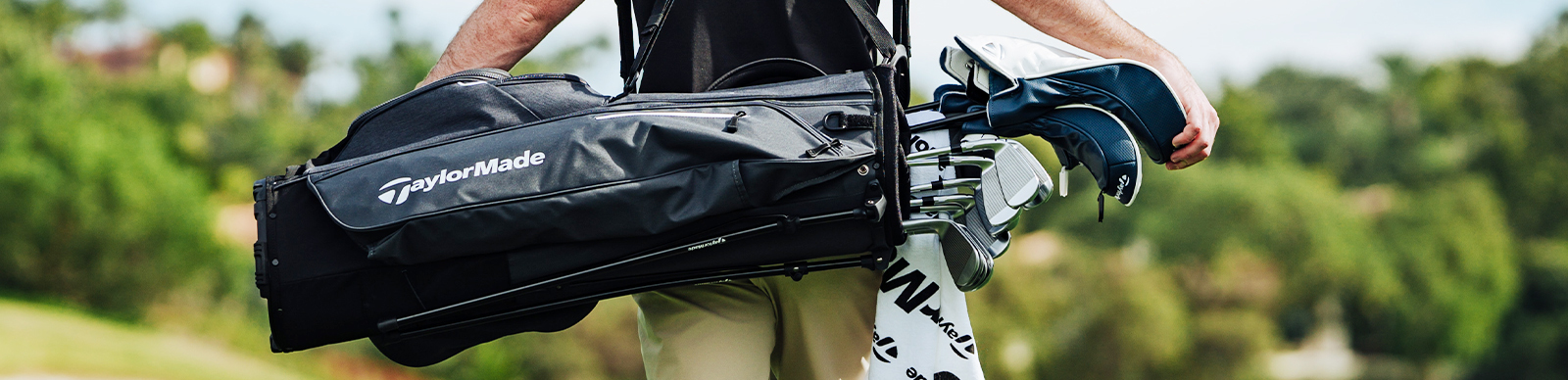
Adjust your straps – A carry bag should sit high on your back, with the weight distributed across both shoulders. Adjust straps for comfort, remembering that you have a lot of steps ahead.
-
On a cart – When using a cart bag, orient the bag so the club heads face the outside (toward the course) and place heavier clubs at the back so they're accessible.
Pro Tricks & Personalizing Your Setup
A tour pro's bag isn't just functional; it's a reflection of their personality and routine. Here are some expert touches to make your bag feel custom:
Slim Your Club Selection
Carrying more than 14 clubs is illegal in competition and unnecessary for most rounds. Remove redundant clubs; double‑stuffing compartments wears down grips. Evaluate your distances and remove duplicates so each slot has purpose.
Use Headcovers
Headcovers protect woods and hybrids from nicks and scratches as they bump around. They also keep graphite shafts from chipping. Keep them on except when you're hitting.
Prep for Conditions
-
Weather gear – Pack a rain jacket, towel and umbrella if the forecast calls for showers. Put a couple of silica gel packets in your pockets during humid stretches to absorb moisture and keep grips dry.
-
Course notes – Pros keep yardage books and green maps in their valuables pocket. If you don't have a yardage book, jot down notes about distances and hazards and store them with your scorecard.
Add Personal Touches
Personalizing your bag can boost your connection to your gear. Custom embroidery or accessories make a bag uniquely yours. Add a stitched name, a favorite logo or a colorful towel. Just be mindful of club rules regarding logos or graphics.
On‑course Routines & Maintenance
Even the best‑organized bag can turn into a mess if you don't follow a few simple routines:
-
Return clubs immediately – When you finish a shot, put the club back in its designated slot right away. Returning clubs to their slots after each shot means you never have to search for them.
-
Post‑round tidy – After each round, take five minutes to clear out trash, empty the ball pocket and make sure all zippers and straps work. A quick wipe down of the base keeps mud and grass from building up. This habit is similar to the ten‑minute maintenance routine described in GolfBags' maintenance article.
-
Monthly check‑up – Once a month, run a toothbrush along zipper teeth and apply a little zipper wax. Inspect strap attachments for fraying and clean out the dividers. Wipe down your grips and replace worn gloves.
-
Seasonal overhauls – At the start of each season, empty the entire bag. Wash the exterior with mild soap and a soft cloth, flip pockets inside out, clean liners and let everything dry completely before loading it back up. Store the bag in a cool, dry spot when it's not in use. Use silica packets to combat moisture and keep mold away.
The Bottom Line
A well-organized golf bag isn’t just tidy, it’s a competitive advantage. When you organize your golf bag strategically, you reduce clutter, save time, and give yourself the same mental clarity tour pros rely on every round. Remember the core principles:
-
Choose a bag that suits how you play (stand, cart, or tour).
-
Arrange clubs from longest to shortest and group them by type.
-
Use pockets intentionally – tees with tees, balls with balls, valuables separate.
-
Balance the weight; heavy items go low and centered.
-
Add personal touches but keep it functional.
-
Maintain your bag after every round and before each season.
Follow these steps, and you'll open your bag on the first tee to find everything exactly where you expect it. Your playing partners might even ask if you've hired a caddie. That's when you know you've organized your golf bag like a pro.