
The Best Golf Bag Setup for Beginners: A Simple, Stress-Free Guide
Posted by Danny on Jan 27th 2026
When you are just starting out in golf, it’s easy to obsess over swing mechanics or which driver hits the ball the furthest. However, finding the best golf bag setup for beginners isn't just about looking the part. A proper golf bag setup for beginners is about saving your sanity on the course. A disorganized bag leads to panic when you can’t find a tee, unnecessary fatigue from carrying junk you don't need, and a slower pace of play that frustrates your playing partners.
Most beginners overlook this, but how you organize your gear directly impacts your mental game. The goal here is simple: reduce friction. You want a setup that lets you focus entirely on your shot, not on digging through a chaotic mess of wrappers and loose tees. Let’s get your bag organized so you can play your best.
Table of Contents
This guide walks you through a golf bag setup for beginners step by step, focusing on simplicity, balance, and ease of use.
The Beginner Goal: Simple, Light, and Easy to Use
Learning exactly how to organize a golf bag for beginners is the foundation of a proper golf bag setup for beginners prioritizing speed and balance over carrying every gadget you own. For a veteran player, it might mean having specific tools for every weather condition, but for you, the goal is efficiency.
A great beginner setup means three things:
-
Speed: You can lay your hands on exactly what you need (a 7-iron, a fresh ball, a tee) in under five seconds.
-
Balance: Your bag stays comfortable to carry or push, without rattling incessantly.
-
Focus: You are carrying only what helps you play better right now.
If you have to unzip three different pockets to find your divot tool, your system is broken.
1. Choose the Right Bag Type (Before You Organize Anything)
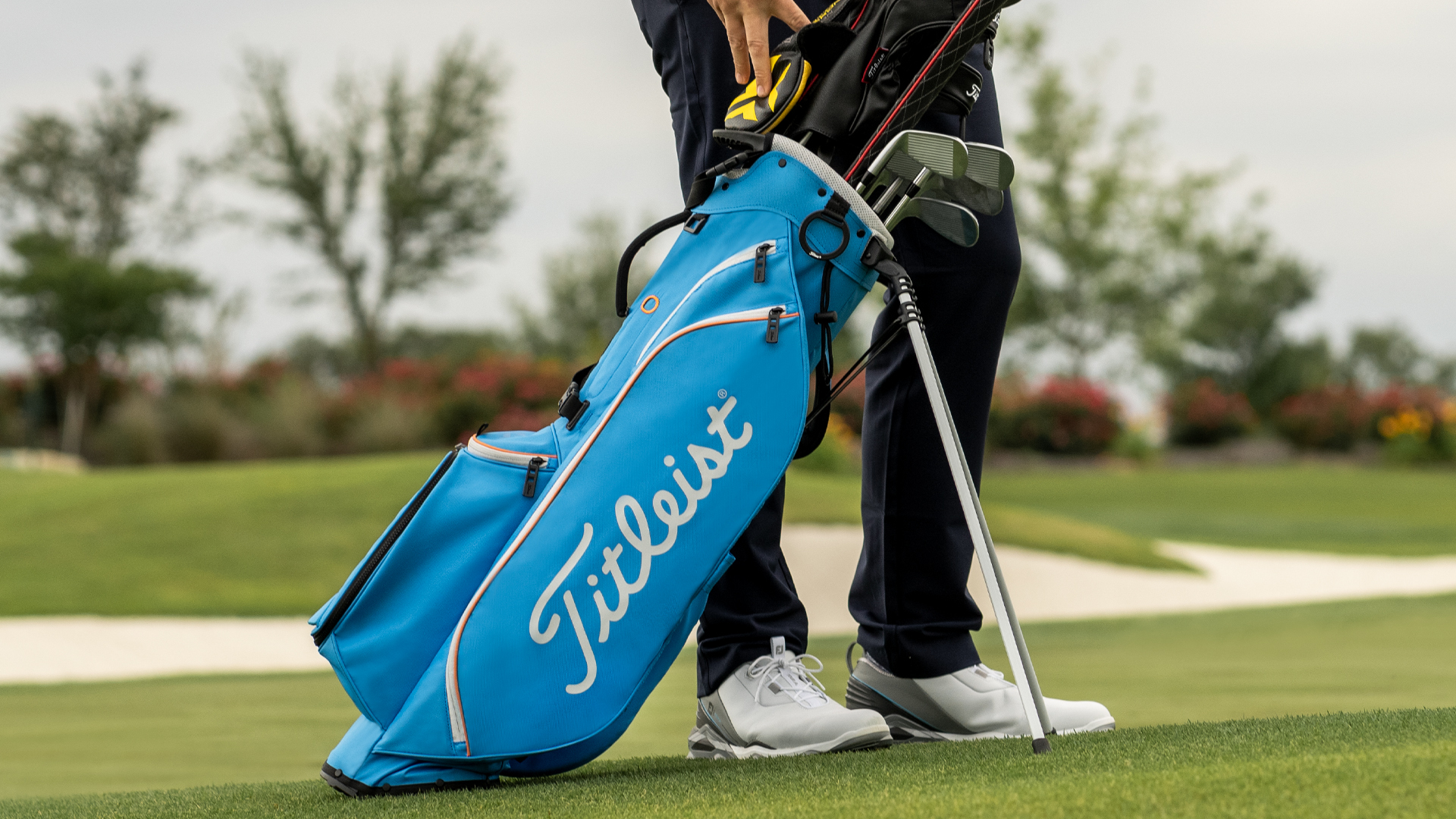
You can’t organize a house if you don’t have walls, and you can’t organize a golf game without the right vessel. There are generally two main options you should consider.
Option A: Stand Bag
This is the versatile choice and usually the best starting point for most golfers. They have legs that pop out when you set the bag down, keeping your clubs angled and accessible.
-
Best for: Walking the course or frequent driving range sessions.
-
Pros: Lightweight, portable, and easy to grab out of the car.
Option B: Cart Bag
These are designed to sit on a riding cart or a push cart. They are usually cylindrical and offer maximum storage.
-
Best for: Golfers who know they will always ride or use a push cart.
-
Pros: Massive storage pockets and easy access to all clubs when strapped in.
-
Cons: Heavier and awkward to carry to the range or practice area.
The Beginner Rule of Thumb: If you plan on walking even occasionally, in most cases, get a stand bag. If you know for a fact you will never carry your bag on your back, a cart bag is a fine choice.
2. How to Organize a Golf Bag for Beginners (Top-to-Bottom Setup)
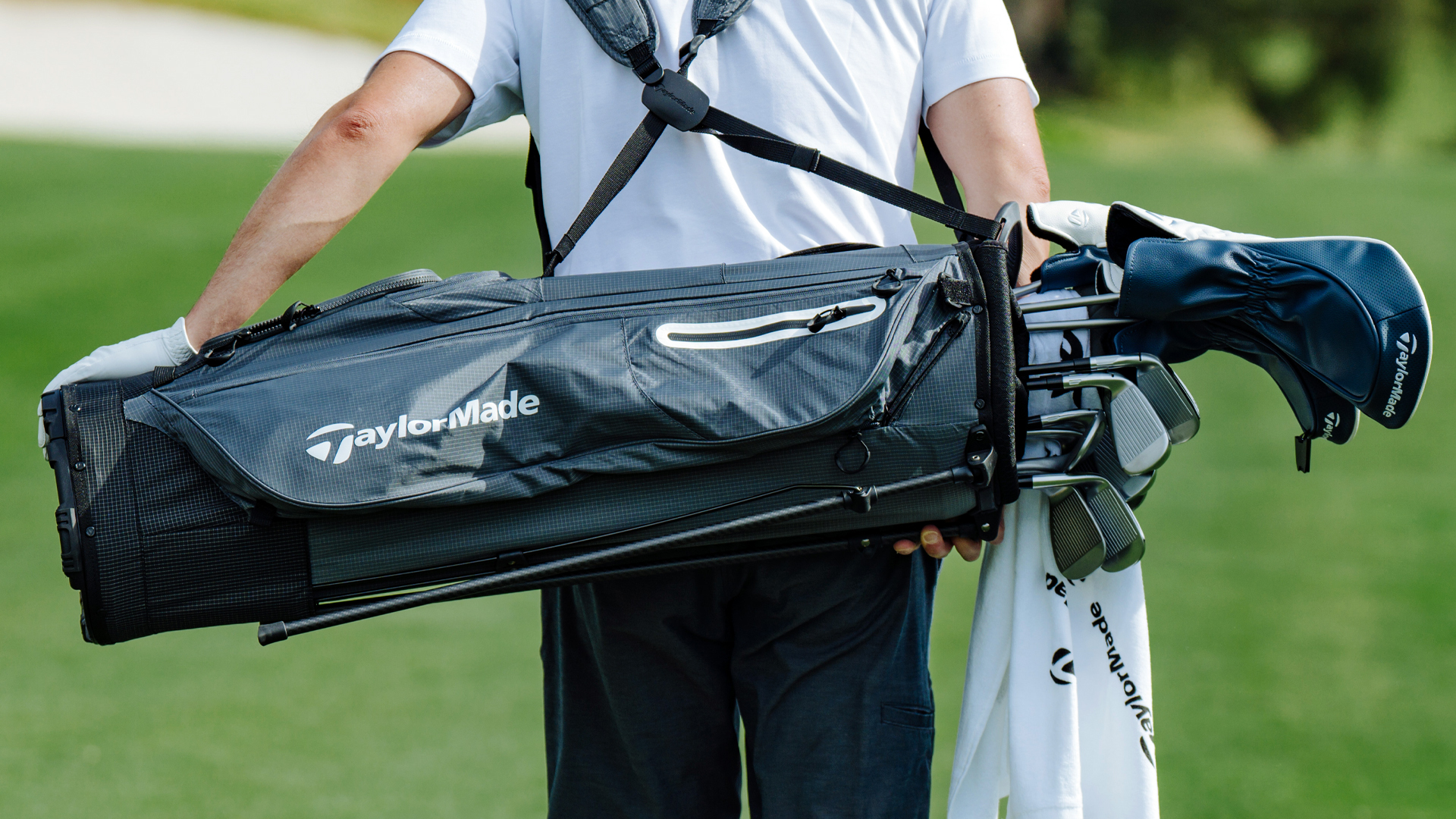
This top-to-bottom system is the most practical golf bag setup for beginners because it reduces club tangling and speeds up decision-making on every shot. The best way to arrange clubs in a stand bag is to use a cascading setup so your clubs don't tangle and you can see your options clearly. One classic rookie move is a bag where the driver is buried underneath the wedges.
-
Top Section (Closest to the strap/handle): This is the home for your longest clubs. Place your Driver, Fairway Woods, and Hybrids here. They need the most clearance and you don't want them clanking against your iron shafts.
-
Middle Section: This is the engine room. Place your Mid Irons (6, 7, 8) here. These are the clubs you grab most often for approach shots.
-
Bottom Section: This is for your scoring clubs. Your Short Irons (9, PW) and Wedges go here.
-
The Putter Well: If your bag has a dedicated separate slot for a putter, use it. If not, the putter usually lives in the top section with the woods (so the headcover doesn't get squished) or the bottom section for easy access. Consistency is key, just pick one spot and stick to it.
3. Pocket-by-Pocket Setup (The “Everything Has a Home” System)
This is the core of the beginner setup. If you just throw everything into the biggest pocket, you create a "junk drawer" that you have to carry for 4 miles. Use this system instead:
The Ball Pocket (Usually the lowest, biggest front pocket)
-
What goes in: A manageable amount of golf balls.
-
Pro Tip: You do not need 4 dozen balls. If you are a high handicapper, 6–10 balls are plenty. Carrying 30 balls adds unnecessary weight and clutter.
The Valuables Pocket (Usually velour-lined)
-
What goes in: Phone, wallet, keys, watch.
-
The Rule: Once the round starts, this pocket stays zipped. Put anything here that you don’t want bouncing around or scratching your phone screen.
The Front Utility Pocket
-
What goes in: Tees, ball markers, and a divot repair tool.
-
Optional: A pencil and a sharpie (for marking your ball).
-
Why: This is your "tee box" pocket. When you walk up to the first tee, you unzip this one pocket and have everything you need to start the hole.
The Apparel Pocket (The long pocket on the side)
-
What goes in: A light rain jacket or windbreaker.
-
Extras: An extra glove (essential for humid days).
-
Don't overfill: This isn't a suitcase. Only pack layers you might actually wear that day.
The Accessory Pocket (Small side pocket)
-
What goes in: Rangefinder or GPS (if you use one), sunscreen, and bug spray.
-
The Logic: These are things you need occasionally, but not on every single shot.
The Insulated Pocket (or Water Bottle Sleeve)
-
What goes in: Hydration. Water or a sports drink.
-
Don't forget: A small snack (granola bar or nuts) to keep your energy up on the back nine.
The "Dead Weight" Checklist
3 Items You Are Probably Carrying (That You Need to Dump)
A heavy bag ruins your posture and drains your energy. Before you head to the first tee, check your pockets for these common "heavy offenders" and leave them in the car:
- × The "Shag Bag" Collection: Stop keeping every ball you find in the woods. Scuffed or water-logged balls fly unpredictably. If it’s not good enough to play, it’s dead weight.
- × The Sunny Day Umbrella: A golf umbrella weighs nearly 2 lbs. If the forecast says 0% chance of rain, take it out of the bag.
- × The Coin Jar: Loose change accumulates at the bottom of the bag faster than you think. Keep bills for the beverage cart; leave the quarters in your cup holder.
4. A Simple 2-Minute “Reset Routine” After Every Round
The secret to maintaining the best golf bag setup for beginners isn't how you pack it once. It's how you reset it. After 18 holes, your bag is likely filled with empty Gatorade bottles and broken tees.
Do this before you even put the bag in your car:
-
Trash Sweep: Throw away the wrappers and empty bottles immediately.
-
Tee Check: Toss the broken tees; put the good ones back in the utility pocket.
-
Wipe Down: Run a towel over your irons to remove dirt (your future self will thank you).
-
Dry Out: If it rained or was humid, leave the main pockets unzipped so they can air out.
5. Optional Upgrades Once You Improve
You don't need to buy the entire pro shop on day one. Start with the basics above. Once you have played a dozen rounds, you might consider adding:
-
A Rangefinder or GPS Watch: Helps with distance control once your swing is consistent.
-
Better Towel + Brush Combo: Clean grooves mean better spin.
-
Push Cart Accessories: If you walk with a cart, an umbrella holder or phone mount can be handy.
Your Bag Setup Should Make Golf Easier
The "best" setup is the one you can maintain without thinking. Golf is hard enough without having to fight your equipment. Start simple, play a few rounds with this layout, and adjust based on what you actually use.
When you know exactly where your 7-iron is and where your spare tees are, you eliminate a layer of stress. A clean, organized bag setup makes every round feel smoother, faster, and more enjoyable.